


Market research companies in UAE are entering an era where understanding consumer intent is becoming more valuable than measuring consumer activity. In 2026, organizations are increasingly investing in artificial intelligence to uncover future behavioral signals rather than relying exclusively on historical performance indicators. This evolution is transforming research from a reporting function into a strategic forecasting capability.
Executive teams now expect intelligence that can help with investment planning, market prioritisation, portfolio optimisation and long-term growth initiatives. As a consequence, AI tools are getting folded into research programmes so they can surface emerging opportunities first, before they’re clearly visible through regular analysis.
Market Research Companies Are Building Predictive Intelligence Frameworks
One of the most important shifts in company research is the move toward predictive intelligence frameworks. Instead of only looking at what happened in past transactions, organizations are weighing behavioural signals that point at possible future actions. This method lets companies predict market movements and line up strategic responses before competitors do.
A modern market research company is more often contributing to growth planning by developing demand patterns, shifting customer priorities and evolving industry dynamics. These insights help teams make decisions that are more realistic about where to place investments, how to pursue expansion, and how to deploy resources efficiently.
Several strategic outcomes are driving this transition:
- Earlier identification of emerging demand
- Improved strategic planning accuracy
- Reduced uncertainty during expansion initiatives
- Better prioritisation of business investments
- Stronger alignment between intelligence and corporate objectives
Decoding Consumer Intent Through Advanced AI Technologies
Using artificial intelligence, companies are able to gather and understand complex signs that standard methods often miss. Instead of relying solely on verbal statements, companies can examine behavioral evidence generated through various interactions.
Predictive Analytics Platforms
Predictive analytics platforms help organisations to evaluate what might happen next by using older trends, market signals, and behavioural signals. Rather than merely showing past events, these systems illustrate potential changes in customer demand, buying patterns, or the broader market environment in the future. This method enables leadership teams to coordinate plans for upcoming opportunities and difficulties ahead of time, rather than dealing with them only after they emerge.
Natural Language Processing Systems
Natural language processing systems analyse written and spoken interactions , to reveal meaning, context, and sentiment. These tools are capable of analyzing customer reviews, service interactions, feedback forms, and live digital chats to identify recurring issues or emerging concerns. When the system can interpret huge amounts of language based information, it gives a more complete picture of market feelings and what stakeholders expect.
Customer Sentiment Monitoring Tools
Customer sentiment monitoring tools keep checking how audiences feel about products, services, and brands across different communication channels. Rather than depending on periodic feedback exercises, organisations can watch opinion shifts while they happen, like in real time. This quick summary provides leaders with a better understanding of potential reputation threats, changing demands, and areas requiring prompt action.
Behavioural Pattern Recognition Software
Software that identifies behavioral patterns tends to concentrate more on observing real actions instead of relying on individuals’ stated preferences. It works by analysing browsing habits, engagement sequences, purchase pathways and interaction histories, so it can show how customers move through the decision process. With these kinds of findings organisations can understand behavioural triggers that influence results across different customer segments.
Automated Trend Forecasting Applications
Automated trend forecasting applications are used to analyse multiple data streams, to spot early signs of change within industries and markets. Practically, such systems are capable of detecting growing consumer preferences, future business priorities, and changing competitive environments prior to their mainstream adoption. The results also assist in strategic planning by allowing organizations to focus their resources on future market trends rather than current conditions.
Traditional Research Versus AI-Enhanced Intelligence
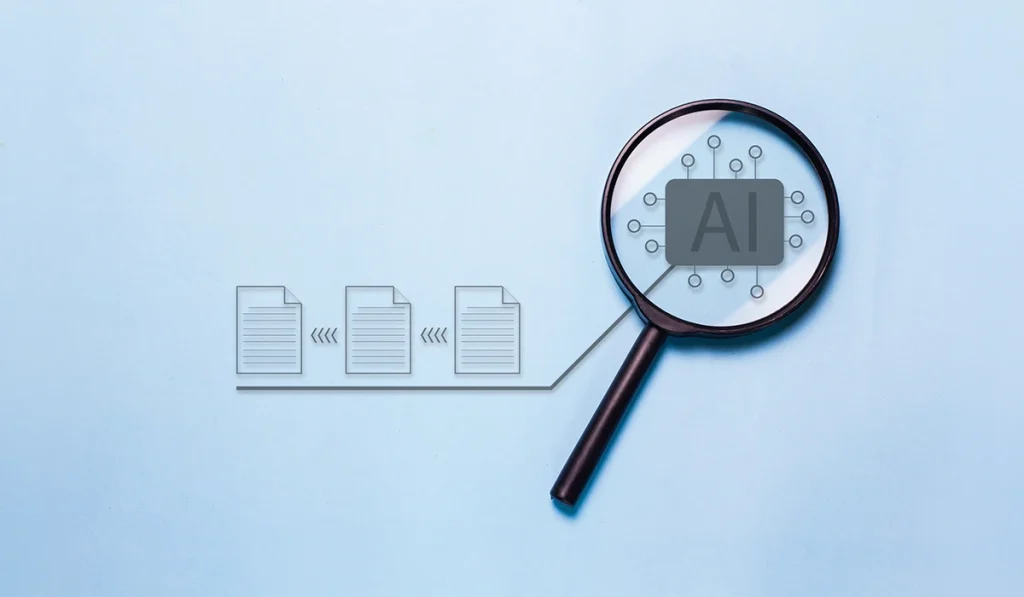
Traditional research techniques remain useful for obtaining clear insights and a better understanding of the surrounding environment. Most traditional approaches function within set timeframes and review the information solely after the collection process is complete.
With artificial intelligence, continuous intelligence production is possible. Instead of just waiting around for completed studies, organisations can get real-time visibility into changes in customer behaviour, emotional state, and those ever changing market trends.
The comparison reveals several distinctions:
- Traditional methods focus on periodic assessment
- AI supports continuous intelligence monitoring
- Conventional analysis evaluates known variables
- AI identifies previously unseen relationships
- Traditional outputs describe existing conditions
- AI estimates future possibilities
This shift is changing how organisations approach strategic planning and competitive positioning.
Why Market Research Companies in UAE Are Combining AI with Research Expertise
Although artificial intelligence can process extraordinary volumes of information, strategic interpretation remains essential. Algorithms can identify patterns, but experienced analysts determine their business relevance and organisational impact.
Organizations often engage specialized market research consultancy to convert complex technical findings into actionable information for decision-making purposes. That way the information stays connected with the commercial objectives, instead of becoming a standalone analytical exercise.
Diverse consumer segments, changing economic priorities, and sector-specific developments require contextual understanding that complements AI-generated outputs.
Supporting Executive-Level Strategic Planning
Boardroom conversations are increasingly including research functions, providing insights that help determine the company’s future actions. Many companies utilize AI-driven analysis to identify expansion options, prioritize investments, and evaluate risks from competitors.
Insights derived from customer experience market research are often incorporated into overall strategic planning processes. Observing the shifts in customer expectations allows organizations to improve their performance and promote lasting relationships with clients.
Multi-Method Research Strategies in the AI Era
The most effective intelligence programs appear to combine multiple methods rather than relying solely on a single source of information. Different methods offer unique perspectives, helping to clarify the overall strategy in a general sense.
Many companies persist in utilizing qualitative market research methods to investigate complex perceptions, hopes, and driving forces that demand a deeper understanding and detailed analysis. These results provide additional context that makes AI-generated outputs appear more realistic and improves their overall reception.
Meanwhile, quantitative market research delivers measurable evidence that supports forecasting models and scenario planning exercises. Together, these methodologies create a stronger foundation for strategic decision-making.
Research programmes often include:
- Executive stakeholder interviews
- Competitive intelligence assessments
- Scenario modelling exercises
- Industry monitoring initiatives
- Strategic forecasting frameworks
Real-Time Intelligence for Market Adaptation
Rapid market evolution has increased demand for continuous intelligence capabilities. Organisations cannot always wait for periodic reporting cycles when competitive conditions change quickly.
Providers delivering a comprehensive market research service in UAE are increasingly integrating AI-powered monitoring systems into their intelligence frameworks. These capabilities support faster adaptation to changing business environments.
Organisations are using these approaches to strengthen resilience, improve responsiveness, and identify opportunities before competitors recognise them.
Strengthening Direct Market Engagement
Despite technological progress, personal interaction remains highly valuable as it provides strategic insights that are difficult to imitate. Modern analytical technologies now improve the practicality and success of older engagement techniques.
For example, a focus group research can bring out detailed perspectives about emerging expectations, possible invention openings, and perception shifts that people really feel. With AI assisted analysis, researchers are able to spot recurring themes faster.
Likewise, the modern online survey has transformed into a more advanced system for intelligence collection. It is supported by automatic analysis, pattern detection, and advanced evaluation of responses.
Conclusion
The role of market research companies in UAE is increasingly centred on prediction rather than observation. Artificial intelligence is helping organisations to identify behavioural signals, assess upcoming scenarios, and then react in a more proactive way when market conditions change.
Through a combination of technological advances and professional knowledge, the market research agency aids companies in converting knowledge into business success. As competition increases in complexity, the capacity to decode consumer intentions will increasingly impact corporate strategy well into 2026.
Point Consultancy delivers intelligence-led research solutions that support informed planning, opportunity evaluation, and long-term business development. Through the integration of AI-driven data analysis, predictive forecasting, consumer intent evaluation, competitive intelligence, and strategic market reviews, the company aids organizations in managing change, uncovering new expansion possibilities, and formulating strong business plans for the future.